
News
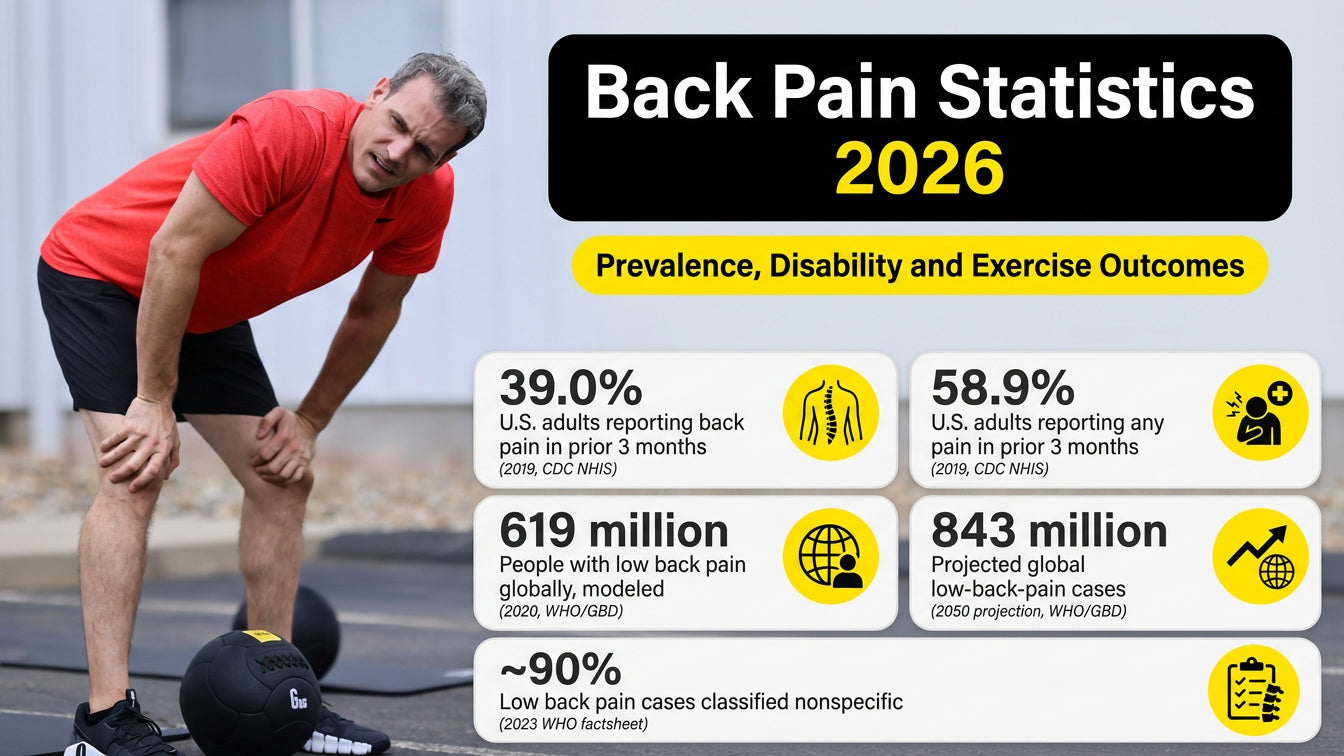
Back Pain Statistics 2026: Prevalence, Disability and Exercise Outcomes
U.S. back pain prevalence, global burden, and carefully qualified exercise outcomes
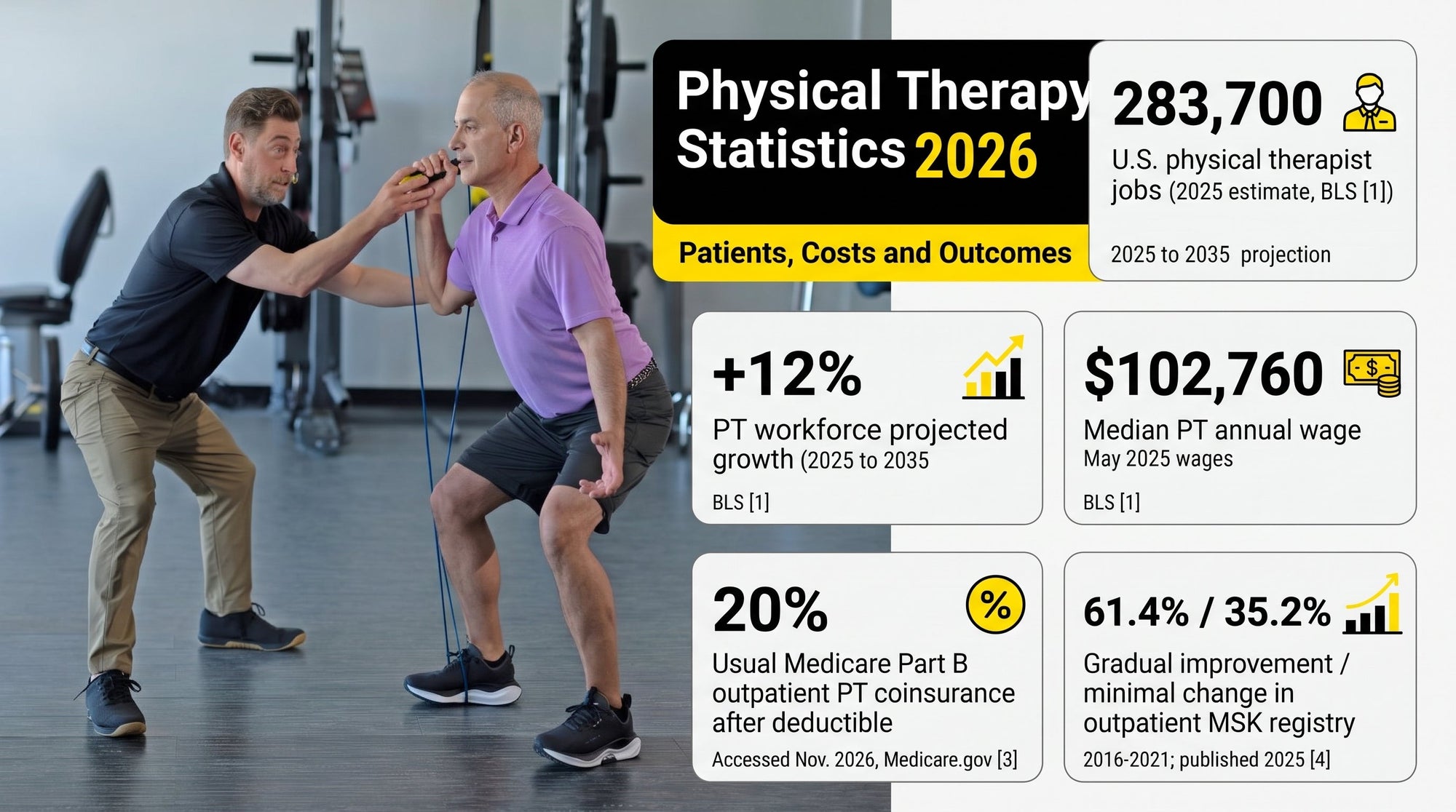
Physical Therapy Statistics 2026: Patients, Costs and Outcomes
Explore U.S. physical therapy statistics, patient-cost coverage, rehabilitation outcomes, workforce size, and what the latest source years mean.

Sedentary Lifestyle Statistics 2026: Sitting Time and Health Risks
Sedentary Lifestyle Statistics 2026 infographic showing 31% of adults worldwide are insufficiently active, 9.4 hours of daily sedentary time in a UK study, and the WHO recommendation of 150 minutes of weekly aerobic activity.

ACL Injury Statistics 2026: Rates By Sport, Gender And Recovery
Compare ACL injury rates by sport, sex and age, and see how return to sport changes depending on the outcome measured. The figures include the 2025–26 High School RIO convenience sample.

Stretching Statistics 2026: Habits, Flexibility and Injury Prevention
Stretching habits, flexibility measures, soreness and injury evidence separated

Falls in Elderly Statistics 2026: Rates, Injuries and Prevention Through Strength Training
Explore statistics on falls in older adults, including how often falls are reported, how many result in emergency care and how fatal fall rates vary by age. Review what exercise trials found about strength and balance programs.

Strength Training Statistics 2026: Participation and Health Benefits
Strength-training participation and benefits with correct guideline denominators

Youth Sports Statistics 2026: Participation, Costs and Access
Youth participation, cost and injury evidence using survey-specific populations
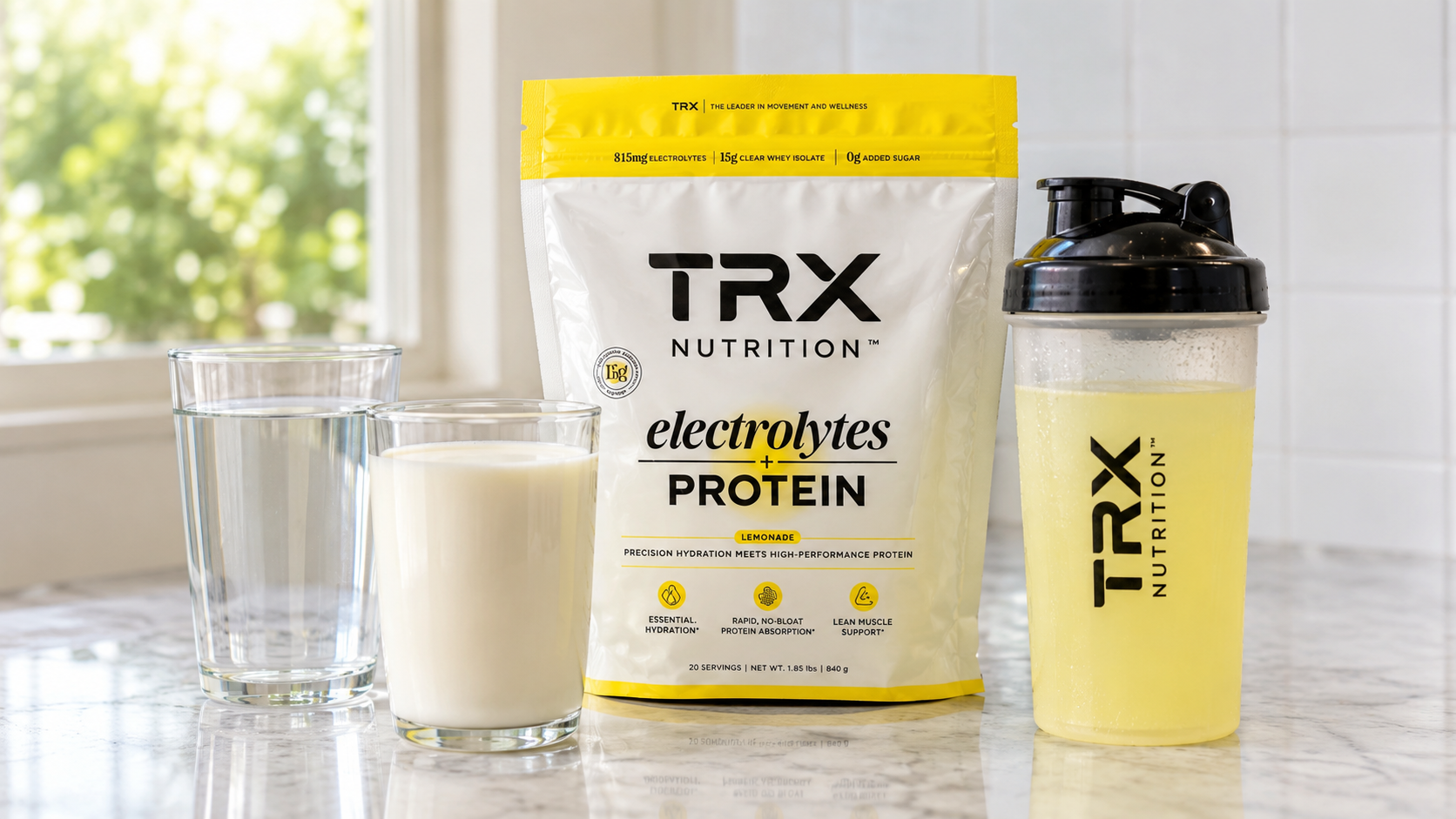
Protein Powder With Water or Milk: Which Should You Use?
Water keeps a protein shake lighter, while milk can add calories, protein, and creaminess. This guide helps readers compare the tradeoffs, check allergens and label directions, and choose the mixer that fits their goal, taste, and routine.